



How to Start a Gratitude Journal Practice (Even If You've Tried Before)
Most people who try gratitude journaling stop within two weeks. Not because the practice doesn't work, but because the format they're using makes it feel like homework. If you've started and stopped before, it's probably not a discipline problem. It's a design problem.
Here's what actually makes a gratitude practice stick.
Keep it genuinely short
Five minutes is enough. The research on gratitude journaling, including studies by Dr. Robert Emmons at UC Davis, consistently shows that brief, regular sessions outperform long, occasional ones. You don't need to fill a page. Three sentences on a good day is a complete entry.
Vary your prompts
The fastest way to kill a journaling habit is to ask yourself the same question every day. "What are you grateful for?" gets stale quickly. The Strawberry Goose Happiness Journal was built specifically around this problem, with rotating daily prompts that shift your perspective so the practice stays fresh even after months of use.
Write specifics, not categories
"I'm grateful for my family" doesn't do much. "I'm grateful that my sister texted me out of nowhere just to check in" actually lands. Specific memories and moments activate the emotional response that makes gratitude journaling effective.
Lower the bar for starting
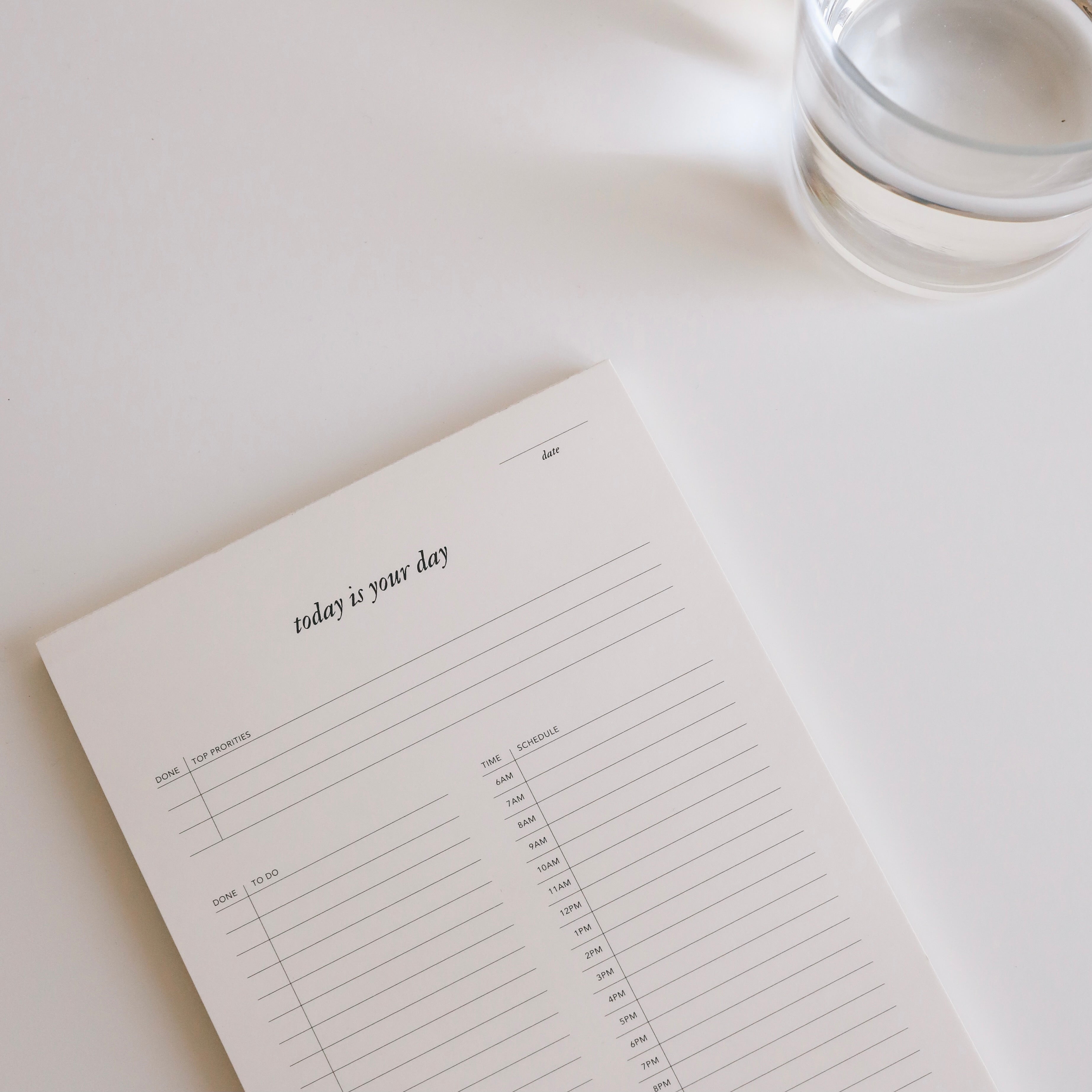
One of the biggest mistakes people make is waiting until they feel inspired to write. Gratitude journaling works best as a morning anchor, something you do before the day builds momentum. Keep your journal on your nightstand or desk, visible and ready. The Happiness Journal's compact, lay-flat design is meant to sit open on a surface without any fuss, so the barrier to actually picking it up is as low as possible.
Don't skip, just shorten
On hard days, write one line. "Today was rough but the coffee was good" counts. Keeping the streak alive, even with a minimal entry, maintains the habit structure that makes this sustainable long term.
If you've tried gratitude journaling before and it didn't stick, give it one more try with a shorter commitment and a better prompt system. Five minutes a day is genuinely enough to shift how you end each week.